
Support for Foster Carers
Foster carers open their homes and hearts to children and young people who cannot safely live with their families. At Uplyft, we provide the guidance, training and ongoing support carers need to make a positive difference.
Foster Care Explained
Children come into care for many reasons. Here is what they need, where Uplyft comes from, and how carers are supported to keep children connected to culture, family and country.
Why children are in care
Children in foster care range from infants to 18 years of age and come from diverse backgrounds. They may enter care for a range of reasons, including abuse, neglect, family violence, parental illness, substance use or mental health challenges within their family.
Many children have experienced trauma and need a safe, stable and nurturing environment where they can feel secure and supported. While some may have additional physical, emotional or behavioural needs, every child deserves care, understanding and the opportunity to thrive.


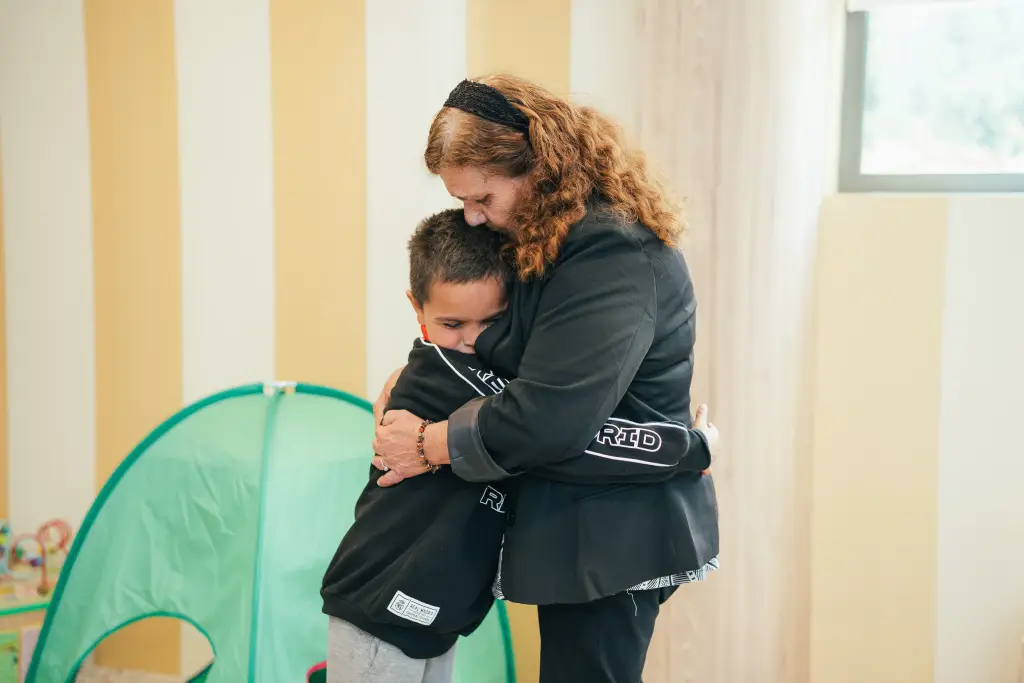




Foster carers speak about fostering with Uplyft
Bec and Ben provide care to younger children. Both carers believe strongly that children should be with their families and that foster families and birth families should work together to create a positive environment for children in care.
Questions others have asked before applying
At Uplyft, we welcome foster carers from all walks of life, regardless of relationship status, sexual orientation, religion or cultural background. Whether you’re single, married or in a relationship, you could make a meaningful difference in a child’s life.
We strongly encourage Aboriginal and Torres Strait Islander people to apply.
To become a foster carer, you must be at least 21 years old and an Australian citizen or permanent resident.
You don’t need a large home to become a foster carer. However, you’ll need a spare bedroom for the child and a suitable space where they can play, learn and feel comfortable.
The approval process can take up to six months from your initial enquiry. During this time, you’ll participate in training, home-based interviews and screening checks to help prepare you for your fostering journey.
Before you can welcome a child into your home, our Foster Care Panel must confirm that you meet the required competencies.
To ensure a safe environment for children, all prospective foster carers must complete several checks, including police and Departmental record checks, a Working with Children Check, a home safety assessment, personal reference checks and a health examination.
Other adults living in your household will also need to undergo police and Departmental record checks.
Foster carers receive a tax-free weekly subsidy to help cover the everyday costs of caring for a child. The amount varies depending on the child’s age, with additional support available for expenses such as education, medical care and clothing.
Yes! Many foster carers continue working either part-time or full-time. This depends on the type of foster care you provide and the age and individual needs of the child in your care.
What’s most important is having the flexibility to support the child’s needs, including attending medical appointments, school activities, extracurricular activities and care-related meetings.
Still have questions about fostering? Our friendly team is here to answer your questions and help you take the next step.
Ask a question