
CAN I BE A CARER?
Foster carers come from all walks of life. Could you be one of them?
We welcome foster carer applications from all backgrounds, including single people, LGBTQIA+ individuals, and those from diverse cultural and religious backgrounds. Find out what’s involved in becoming a foster carer with Uplyft and whether fostering could be right for you.
Your Journey to Becoming a Foster Carer
From your first expression of interest to final approval, we will guide you through each step, helping you prepare for the rewarding responsibility of providing a safe and supportive home for a child or young person.
Getting in touch
Start by submitting an expression of interest. It only takes a few minutes and doesn’t commit you to anything.
A member of our foster care team will get in touch to learn more about your circumstances, answer your questions and explain what fostering with Uplyft involves.




Carers on what it's really like
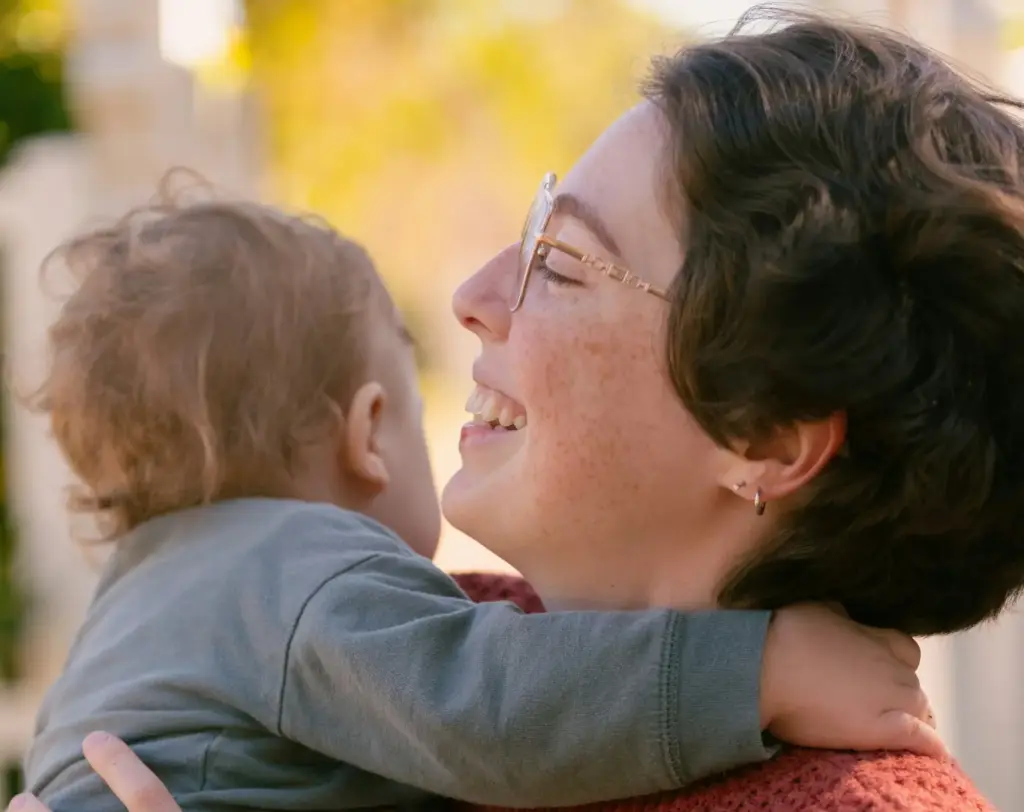
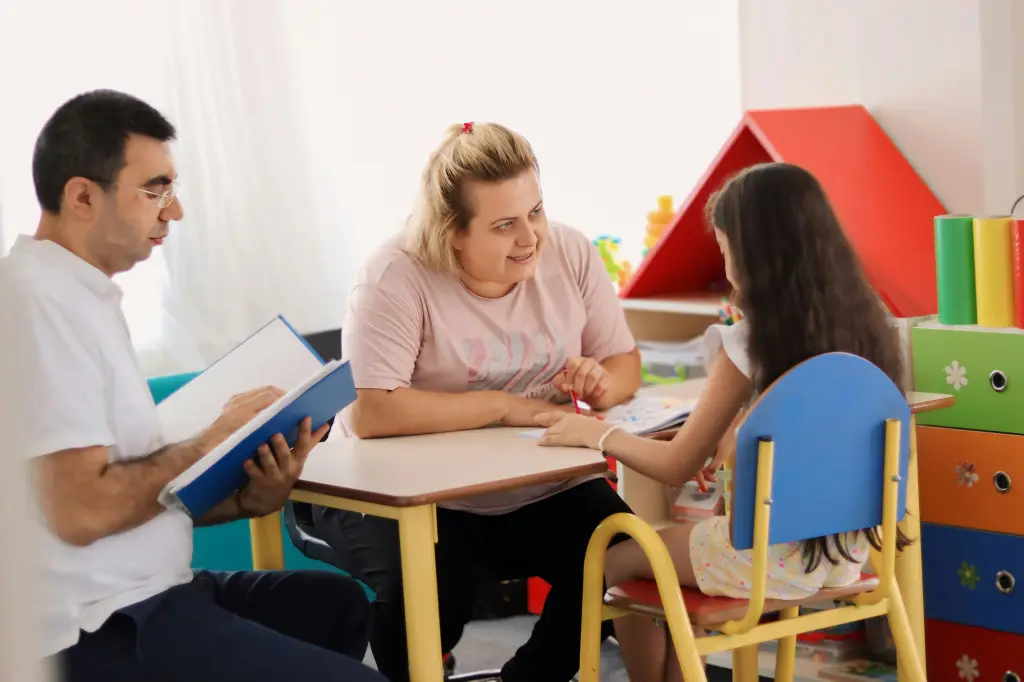
Bec and Ben provide care to younger children. Both carers believe strongly that children should be with their families and that foster families and birth families should work together to create a positive environment for children in care.

Carer Kirby
Watch Kirby’s story as she shares as experience as a foster parent and her biggest advice to people who are thinking about fostering.
MORE ON UPLYFT FOSTER CARE


Frequently asked questions
Foster carers come from all walks of life, and there is no single type of person or family who can foster. Uplyft welcomes applications from single people, couples, LGBTQIA+ individuals, and people from all cultural and religious backgrounds. What matters is your ability to provide a safe, stable and supportive home for a child or young person.
No. You do not need to be a parent to become a foster carer. Our team will help you understand the responsibilities involved and the skills needed to care for a child or young person.
Working full-time does not automatically prevent you from becoming a foster carer. Your availability, work commitments and the needs of the child will be considered as part of the assessment process. Our team can discuss your circumstances with you.
Not necessarily. You may be able to foster while renting, provided your living arrangements are suitable and meet the relevant safety requirements. Your household circumstances and the space available for a child will be considered during the assessment process.
Foster care is an arrangement for children and young people who cannot live with their family. It may be temporary or longer-term, depending on the child’s circumstances and care plan. Where it is safe and appropriate, the aim may be for the child to return to their family.
Adoption is a legal process that permanently transfers parental rights and responsibilities to adoptive parents. Foster care does not automatically lead to adoption, as decisions are guided by the child’s individual circumstances and best interests.
The length of a foster care placement varies depending on the child’s needs and circumstances. Some placements are short-term, while others may continue for a longer period. Your Uplyft caseworker will help you understand the type of care you are approved to provide and what each placement may involve.
As an Uplyft foster carer, you will work with a dedicated caseworker who understands your household and provides guidance and support throughout your fostering journey.
Uplyft has supported foster families in Western Australia since 1985. Our team will help you understand your responsibilities, navigate challenges and access guidance as you care for a child or young person.
The process from your initial enquiry to approval usually takes up to six months. The timeframe can vary depending on your circumstances and the steps involved. Each stage helps ensure you are prepared to provide safe and appropriate care.
To help keep children safe, prospective foster carers undergo several checks, including a Police Check, a Departmental Record Check, a Working with Children Check, personal referee checks, a health examination and a home safety check.
Other adults living in your household will also need to complete Police and Departmental Record Checks. Our team will explain what is required at each stage.
You will take part in training sessions and interviews to help prepare you for foster caring. The training covers topics such as understanding trauma, supporting children’s needs, maintaining connections with family and culture, and working with the team involved in a child’s care.
The process also helps us understand your strengths and the type of care you may be best suited to provide.
What our carers say
Foster care enquiry form
Take the first step to becoming a foster carer.